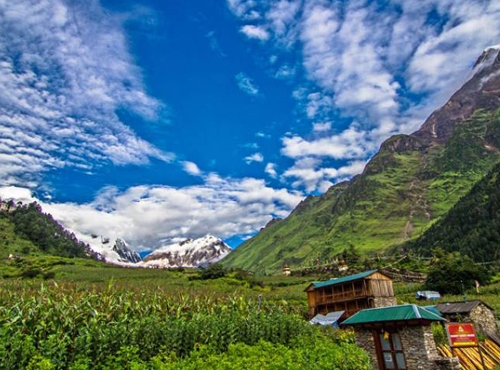
Larkya La Pass – The Ultimate Challenge of Manaslu Circuit
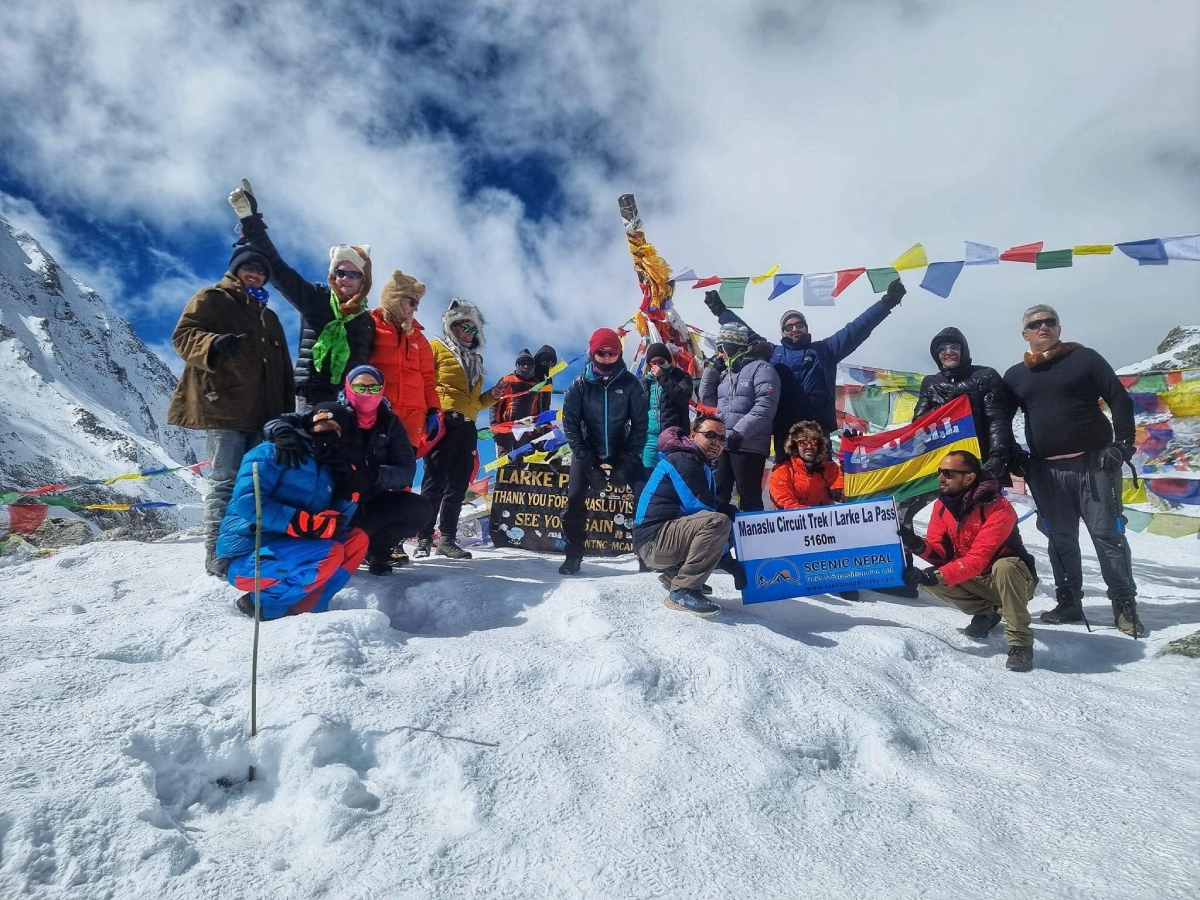
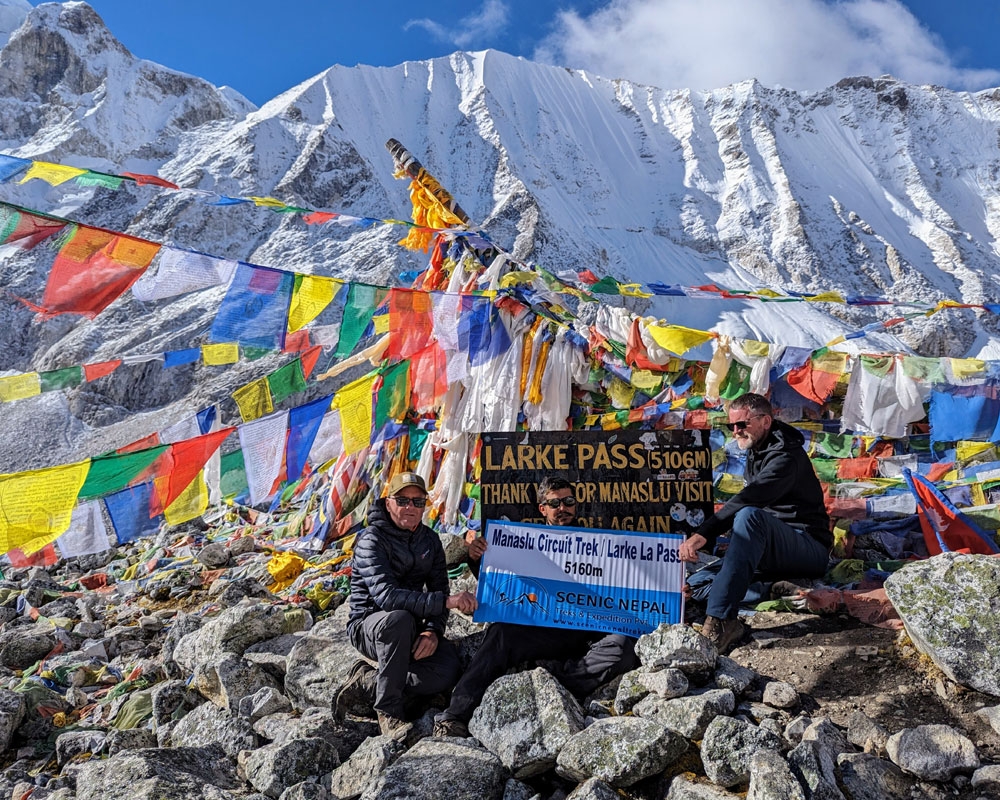
The crossing of Larkya La Pass (5,160 m) is the defining moment of the Manaslu Circuit Trek—a true test of endurance, determination, and high-altitude trekking skills. For adventure-seeking trekkers, this dramatic ascent and descent represents the pinnacle of Himalayan achievement and one of the most rewarding Himalayan high passes in Nepal.
The journey toward Larkya La begins well before summit day, with gradual acclimatization in villages like Samagaon and Samdo. This strategic ascent allows trekkers to adapt to altitude while building anticipation for the challenge ahead. On the crossing day, the trail winds through stark alpine landscapes, navigating glacier moraine terrain, frozen streams, and snow-covered ridges. The early morning start adds to the expedition feel, as headlamps illuminate the trail beneath towering Himalayan silhouettes.
Reaching the top of Larkya La Pass is both physically demanding and emotionally powerful. From the summit, trekkers are rewarded with sweeping views of snow-capped peaks, vast glaciers, and remote valleys stretching deep into the Himalayas. The sense of isolation and scale here is unmatched—far removed from the crowded viewpoints of more commercial routes.
Descending from the pass brings its own adventure, with steep sections over loose scree and icy paths that demand focus and confidence. Yet every step reinforces the feeling of accomplishment that comes with conquering one of Nepal’s most legendary high passes.
For trekkers drawn to raw adventure, challenging terrain, and authentic Himalayan exploration, Larkya La Pass stands as the ultimate highlight of the Manaslu Circuit—comparable in intensity to the region’s toughest crossings.
Manaslu Circuit Trek Difficulty Level
The Manaslu Circuit Trek is classified as a moderate to challenging trek, best suited for trekkers who are physically prepared, mentally resilient, and aware of the demands of high-altitude trekking. Understanding the difficulty level helps you assess whether this remote Himalayan adventure aligns with your fitness, experience, and expectations.
Physical Fitness Requirements
This trek involves long walking days—typically 6 to 8 hours—across varied terrain, including steep ascents, rocky trails, and glacier moraine terrain near high passes. While no technical climbing skills are required, good cardiovascular fitness and leg strength are essential. Previous trekking experience above 3,000 meters is highly beneficial, though motivated first-time trekkers with proper training can also succeed. Regular hiking, stair climbing, and endurance training before the trek significantly improve comfort and enjoyment.
Altitude & Acclimatization
Altitude is a major factor in the Manaslu Circuit, with the highest point at Larkya La Pass (5,160 m). Proper altitude adaptation is critical to minimize the risk of Acute Mountain Sickness (AMS). The itinerary includes acclimatization stops in villages such as Samagaon, allowing your body to gradually adjust. Trekkers are advised to follow the golden rules of altitude: walk slowly, stay hydrated, eat well, and never ignore early symptoms like headaches, nausea, or fatigue.
Best Time to Do Manaslu Circuit Trek
Choosing the right season is crucial for a safe and enjoyable Manaslu Circuit Trek. Due to its high altitude and remote location, weather plays a major role in trail conditions, visibility, and overall trekking experience. Understanding Himalayan weather and trekking seasons in Nepal helps trekkers plan with confidence.
Spring (March–May)
Spring is one of the best times to trek the Manaslu Circuit. During this season, temperatures are moderate, skies are generally clear, and the trail comes alive with blooming rhododendrons and alpine flowers. Snow still caps the higher peaks, creating dramatic contrasts against blue skies. Trail conditions are stable, and the crossing of Larkya La Pass is usually manageable with proper gear. Spring is ideal for trekkers who want vibrant scenery, longer daylight hours, and comfortable trekking conditions.
Autumn (September–November)
Autumn is considered the prime trekking season in Nepal, and Manaslu is no exception. After the monsoon clears, the air becomes crisp and clean, offering outstanding mountain visibility. Days are sunny, nights are cool, and rainfall is minimal. This season provides the most reliable weather window for high passes and glacier crossings. Autumn is perfect for trekkers seeking crystal-clear views of Mount Manaslu and surrounding Himalayan ranges.
Winter & Monsoon Conditions
Winter (December–February) brings cold temperatures and heavy snowfall, especially around Larkya La Pass, which may become impassable. While lower sections remain beautiful and quiet, this season is best suited for highly experienced trekkers. Monsoon season (June–August) features heavy rainfall, leeches in lower valleys, and slippery trails, making it the least recommended time due to safety and visibility concerns.
For the best balance of safety, scenery, and comfort, spring and autumn remain the ideal seasons for the Manaslu Circuit Trek.Manaslu Circuit Trek Itinerary and Duration
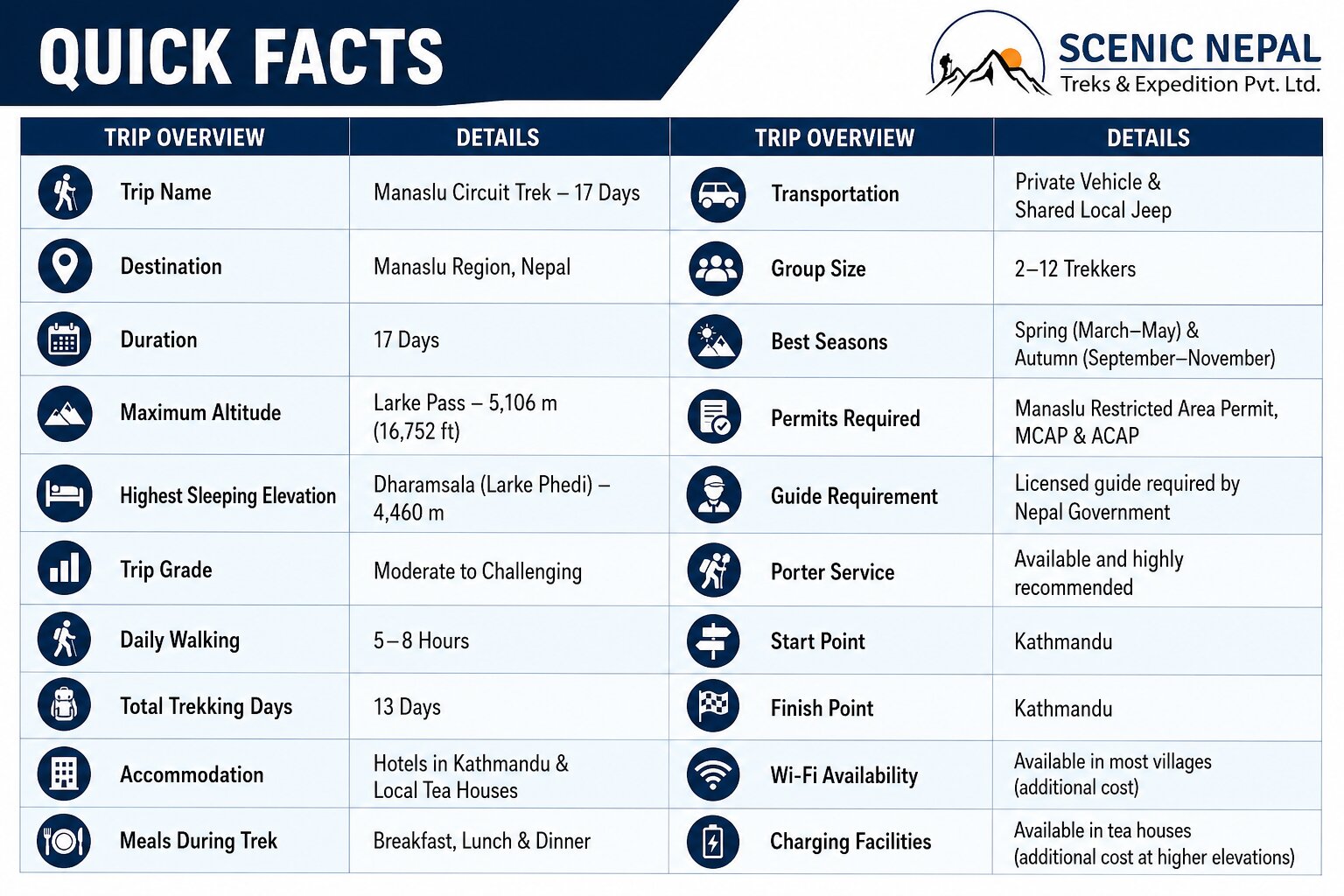
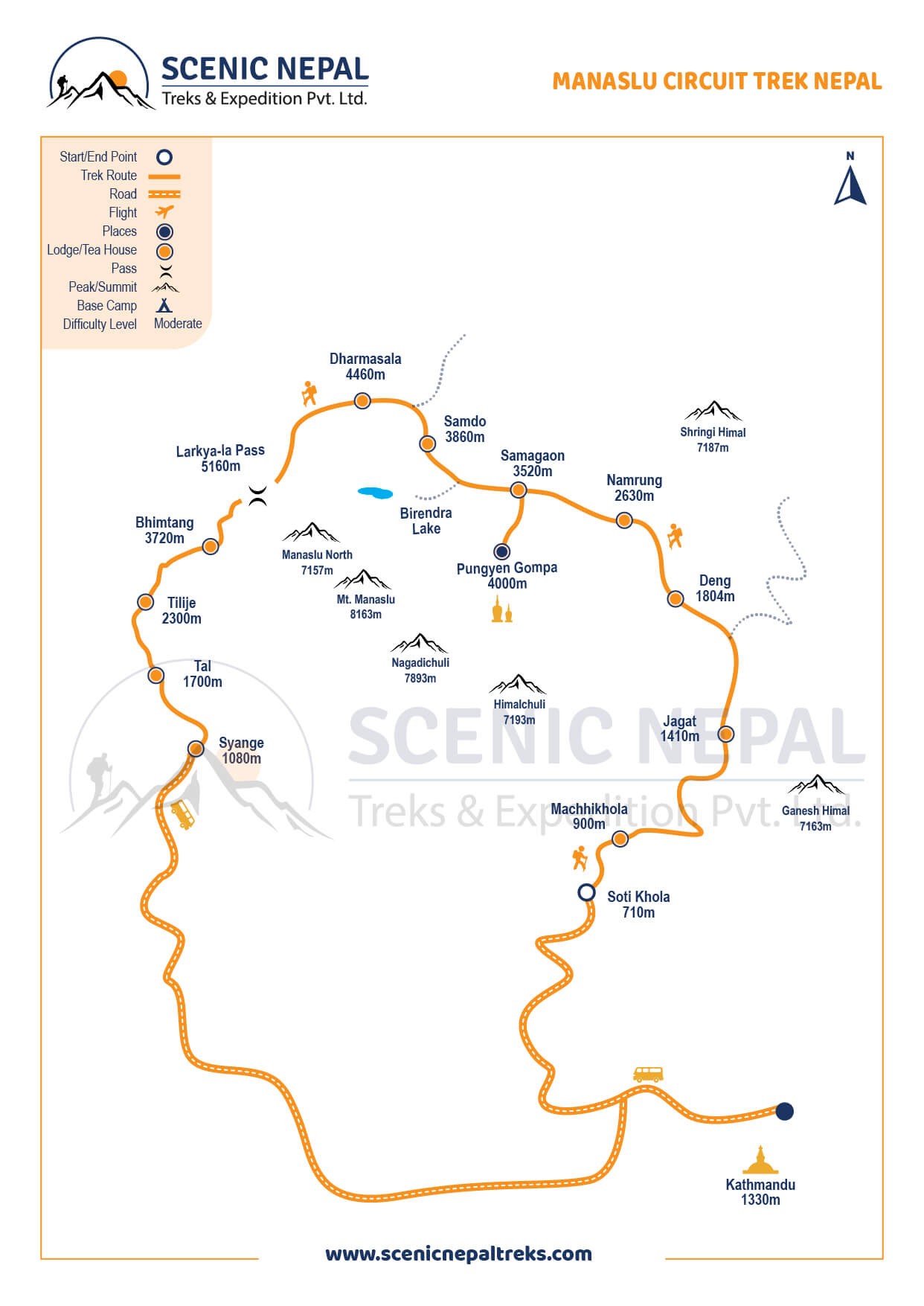
The Manaslu Circuit Trek itinerary typically spans 14 to 18 days, depending on your pace and acclimatization needs. A standard itinerary starts at Soti Khola and follows the trail through scenic locations like Machha Khola, Jagat, Deng, Namrung, Samagaon, and Samdo before crossing Larkya La Pass and descending to Bhimtang and Dharapani.
This trek is ideal for moderately experienced trekkers with good physical fitness. Proper acclimatization days are included to ensure safety and reduce the risk of altitude sickness.
Permits Required for Manaslu Circuit Trek
The Manaslu Circuit Trek lies within one of Nepal’s restricted trekking regions, which means trekkers must obtain special permits before starting the journey. These regulations help preserve the fragile environment and protect the region’s unique cultural heritage. Understanding permit requirements in advance ensures a smooth and hassle-free trekking experience.
To trek in the Manaslu region, the following permits are mandatory:
- Restricted Area Permit (RAP)- This is the primary permit required for the Manaslu Circuit. The cost varies by season and duration of stay, and it can only be issued through a registered trekking agency. Independent trekking is not allowed.
- Manaslu Conservation Area Permit (MCAP)- Required to enter the Manaslu Conservation Area, this permit supports wildlife conservation and sustainable tourism initiatives in the region.
- Annapurna Conservation Area Permit (ACAP)- Since the Manaslu Circuit exits through the Annapurna region after Larkya La Pass, an ACAP is also compulsory.
In addition to permits, Nepal enforces the minimum 2 trekkers rule, meaning solo trekking is not permitted in the Manaslu region. Trekkers must also be accompanied by a licensed guide, ensuring safety, compliance with regulations, and enhanced cultural understanding.
The good news? You don’t need to worry about paperwork. Scenic Nepal Treks will prepare all required permits for you, handle documentation, and ensure full legal compliance—allowing you to focus entirely on enjoying your trek.
Accommodation & Food on the Manaslu Circuit
The Manaslu Circuit Trek offers a trekking experience that combines adventure with comfort through the region’s traditional tea house trekking system. While this trek is remote and less commercial than Everest or Annapurna routes, trekkers can still enjoy warm meals, cozy lodging, and the hospitality of local Himalayan communities along the trail.
Tea House Accommodation
Most villages along the Manaslu Circuit, including Samagaon, Samdo, and Dharamsala, provide simple tea house lodges. These lodges are clean, basic, and equipped with comfortable beds, shared or private bathrooms, and common dining areas. The lodges are family-run, giving trekkers a chance to experience authentic Himalayan hospitality. While the facilities are modest, they are sufficient to rest and recharge after long days of trekking in rugged terrain.
Food & Dining
Meals along the trek are wholesome and filling, focusing on local and familiar dishes. Dal Bhat (rice with lentil soup) is the staple and provides excellent energy for high-altitude trekking. Other options include noodles, soups, momos (Tibetan dumplings), and local vegetable dishes. Tea, coffee, and hot chocolate are available to warm up after chilly mornings and evenings. Trekkers should also carry some energy bars and snacks for long trekking days, especially near high passes like Larkya La where supplies are limited.
Overall, the combination of tea house lodging and local Himalayan meals ensures a comfortable and culturally immersive experience while trekking the Manaslu Circuit. It allows adventurers to focus on the spectacular scenery, high passes, and remote villages without worrying about basic necessities.
Cultural Experience & Tibetan Influence on the Manaslu Circuit Trek
The Manaslu Circuit Trek is not just a journey through dramatic Himalayan landscapes—it is also a profound cultural expedition, offering trekkers a deep connection with the Tibetan-influenced communities that inhabit this remote region. The trail winds through villages and settlements where centuries-old traditions, religious practices, and unique architectural styles remain largely unchanged, providing a rare glimpse into authentic Himalayan life.
Tibetan Buddhism & Monasteries
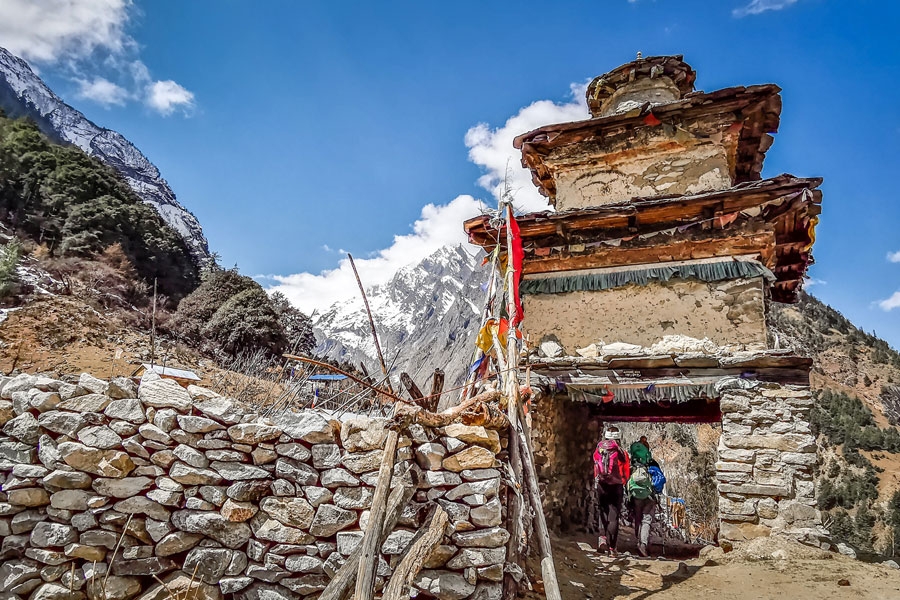
Tibetan Buddhism is deeply woven into the daily lives of local communities along the Manaslu Circuit. Trekkers encounter ancient monasteries, often perched on hillsides or tucked into valleys, which serve as spiritual centers for villagers. Prayer flags flutter in the wind, spreading blessings across the landscape, while mani walls inscribed with sacred mantras line the trails, creating a serene and meditative atmosphere. Visiting these monasteries offers insight into local religious practices, meditation rituals, and the pivotal role of Buddhism in shaping cultural identity and community life.
Traditional Mountain Lifestyle
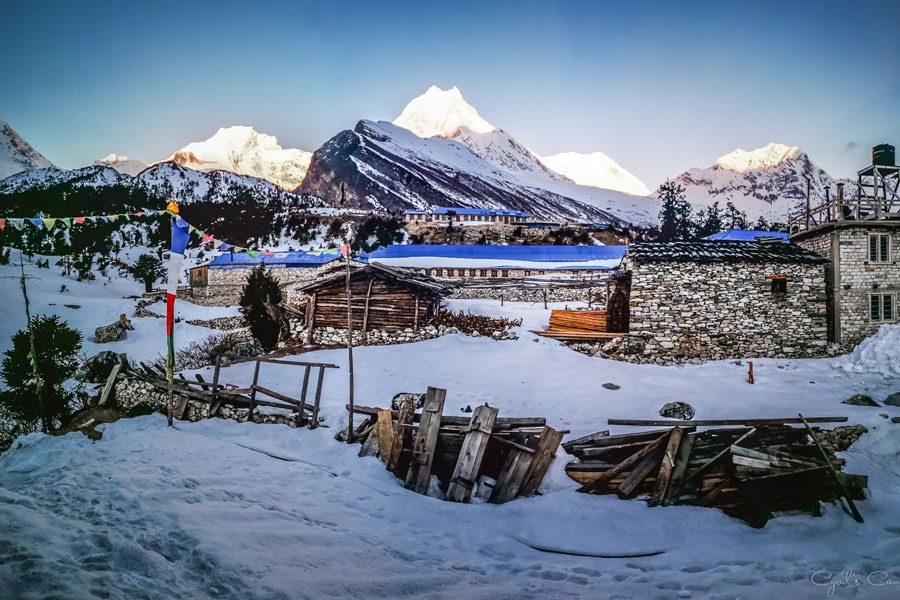
Beyond spiritual sites, the trek provides an intimate look at the traditional mountain lifestyle of Sherpa and Tibetan-influenced communities. Stone houses, yak herding, terraced fields, and locally woven textiles reflect a way of life that has persisted for generations. Trekkers can interact with villagers, learn about their agricultural practices, share meals, and participate in local festivals if timing permits. These experiences make the Manaslu Circuit Trek far more than a physical journey—it becomes a cultural immersion where nature, spirituality, and human heritage intersect.
For travelers seeking cultural depth and experiential value alongside adventure, the Manaslu Circuit offers an unparalleled opportunity to witness living traditions, connect with remote Himalayan communities, and gain a true understanding of Tibetan Buddhist influence in Nepal’s high mountains.
Manaslu Circuit Trek Packing Checklist
This list is a guideline to help you pack for your adventure. Also, understand that the items listed below will vary a little according to the season and the trek duration. The weight limit for your luggage is 15 kg.
Important documents and items
- Valid passport, 2 extra passport size photos, airline tickets
- Separate photocopies of passport, visa form (easily obtained at Kathmandu airport), proof of insurance
- Dollars, pounds, or Euros in cash for purchasing Nepalese visa at Kathmandu airport, for paying for restaurants and hotels, for gratuities, snacks, and to purchase your own drinks and gifts
- Credit cards, Bank/ATM/Cash machine cards for withdrawing funds from cash machines (bring a photocopy of your cards), traveler's checks, etc.
Head
- Bandana or headscarf, also useful for dusty conditions
- Warm hat that covers your ears (wool or synthetic)
- Headlamp with extra batteries and bulbs
- Sunglasses with UV protection
- Prescription sunglasses (if required)
Upper Body
- Polypropylene shirts (1 half sleeve and 2 long sleeves)
- Light and expedition weight thermal tops
- Fleece wind-stopper jacket or pullover
- Waterproof (preferably breathable fabric) shell jacket
- Down vest and/or jacket *
- Gore-Tex jacket with hood, waterproof and breathable
Hands
- 1 pair of lightweight poly liner gloves.
- 1 pair of lightweight wool or fleece gloves
- 1 pair of mittens, consists of 1 Gore-Tex over mitt matched with a very warm polar-fleece mitt liner (seasonal)
Lower Body
- Non-cotton underwear briefs
- 1 pair of Hiking shorts
- 1 pair of Hiking trousers
- 1 pair of lightweight thermal bottoms (seasonal)
- 1 pair of fleece or woolen trousers
- 1 pair of waterproof shell pants, breathable fabric
Feet
- 2 pairs of thin, lightweight inner socks
- 2 pairs of heavy poly or wool socks
- 1 pair of Hiking boots with spare laces (sturdy soles, water-resistant, ankle support, “broken-in”)
- 1 pair of trainers or running shoes and/or sandals
- Cotton socks (optional)
- Gaiters (winter only), optional, “low” ankle high version
Sleeping
- 1 sleeping bag (Scenic Nepal Treks will provide you)
- Fleece sleeping bag liner (optional)
- Rucksack and Travel Bags
- 1 medium rucksack (50-70 liters/3000-4500 cubic inches, can be used for an airplane carryon)
- 1 large duffel bag ( Scenic Nepal Treks will Provide you)
Medical
- Small, personal first-aid kit. (simple and light)
- Aspirin, first-aid tape, and plasters (Band-Aids)
- 1 skin-blister repair kit
- Anti-diarrhea pills
- Anti-headache pills
- Cough and/or cold medicine
- Anti-altitude sickness pills: Diamox or Acetazolamide
- Stomach antibiotic: Ciprofloxacin, etc. Do not bring sleeping pills as they are a respiratory depressants.
- Water purification tablets or the water filter
- 1 set of earplugs
- Extra pair of prescription glasses, contact lens supplies
Toiletries
- 1 medium-sized quick-drying towel
- Toothbrush/paste (preferably biodegradable)
- Multipurpose soap (preferably biodegradable)
- Deodorants
- Nail clippers
- Face and body moisturizer
- Female hygiene products
- Small mirror
- Personal Hygiene
- Wet wipes (baby wipes)
- Tissue /toilet roll
- Anti-bacterial handwash
Safety, Guides & Responsible Trekking on the Manaslu Circuit
Safety and responsible trekking are paramount on the Manaslu Circuit Trek, one of Nepal’s most remote and challenging trekking routes. With high altitudes, unpredictable weather, and rugged terrain—including the famous Larkya La Pass (5,160 m)—trekkers must prioritize preparation, local guidance, and adherence to regulations to ensure a safe and rewarding journey.
Licensed Trekking Guide
Because the Manaslu region lies within a restricted area, all trekkers are required to hire a licensed trekking guide. Guides are trained to navigate remote trails, handle emergencies, and provide crucial assistance in case of altitude sickness or injury. Their local knowledge enhances the trekking experience by introducing cultural insights, historical context, and safe route options. Additionally, guides ensure compliance with Nepal’s strict regulations for restricted regions.
Restricted Area Regulations
The Manaslu Circuit is a restricted trekking region, and permits must be obtained through authorized agencies. These regulations help protect the environment, preserve local culture, and limit overcrowding. Trekkers must respect rules such as traveling in groups of at least two, following designated trails, and not disturbing wildlife. Compliance ensures both safety and sustainability while maintaining the integrity of this pristine Himalayan area.
Sustainable & Responsible Tourism
Practicing sustainable tourism is critical on a high-altitude trek. Trekkers should minimize plastic waste, avoid littering, and support local communities by using local lodges and purchasing supplies responsibly. Engaging with the culture respectfully and maintaining a low environmental footprint helps protect the fragile Himalayan ecosystem for future generations.
By trekking responsibly, following safety guidelines, and hiring a licensed guide, you not only ensure your own well-being but also contribute positively to the preservation of Nepal’s natural and cultural heritage.
Book Manaslu Circuit Trek with Scenic Nepal Treks
Embark on the Manaslu Circuit Trek with Scenic Nepal Treks, your trusted local trekking partner in Nepal. With years of experience organizing high-altitude treks, we combine expertise, safety, and authentic cultural experiences to make your journey unforgettable.
Our approach focuses on small-group treks, ensuring personalized attention, a flexible pace, and a more intimate connection with the remote Himalayan landscapes. Whether it’s navigating the rugged trails of Larkya La Pass (5,160 m), exploring Tibetan-style villages, or immersing in the serene beauty of the Manaslu Himal, we prioritize your comfort, safety, and experience.
We are committed to ethical and sustainable trekking practices, supporting local communities, preserving cultural heritage, and minimizing environmental impact. From arranging licensed guides, permits, tea house accommodations, to providing essential trek support, every detail is thoughtfully managed.
Our itineraries are flexible and customizable, catering to your fitness level, preferences, and interests. Whether you want to add extra acclimatization days, photography excursions, or cultural interactions, we tailor the trek to suit you.
Take the first step toward an extraordinary Himalayan adventure. Book your Manaslu Circuit Trek with Scenic Nepal Treks today and experience one of Nepal’s most remote, rewarding, and culturally immersive treks with confidence.