What Is High-Altitude Trekking?
High-altitude trekking refers to multi-day hikes conducted at elevations typically above 3,000 meters (9,800 ft), where the human body begins to feel the effects of reduced oxygen availability. At these heights, the air still contains about 21% oxygen, but barometric pressure is lower, meaning each breath delivers less oxygen to your bloodstream. As a result, your oxygen saturation gradually decreases as you climb higher.
This is why altitude-related risks usually begin after 3,000 meters and increase significantly beyond 4,000 meters. Without proper pacing and acclimatization, trekkers may experience headaches, nausea, fatigue, or more serious forms of altitude sickness. High-altitude trekking is not about speed—it’s about slow, steady ascent and allowing your body time to adapt.
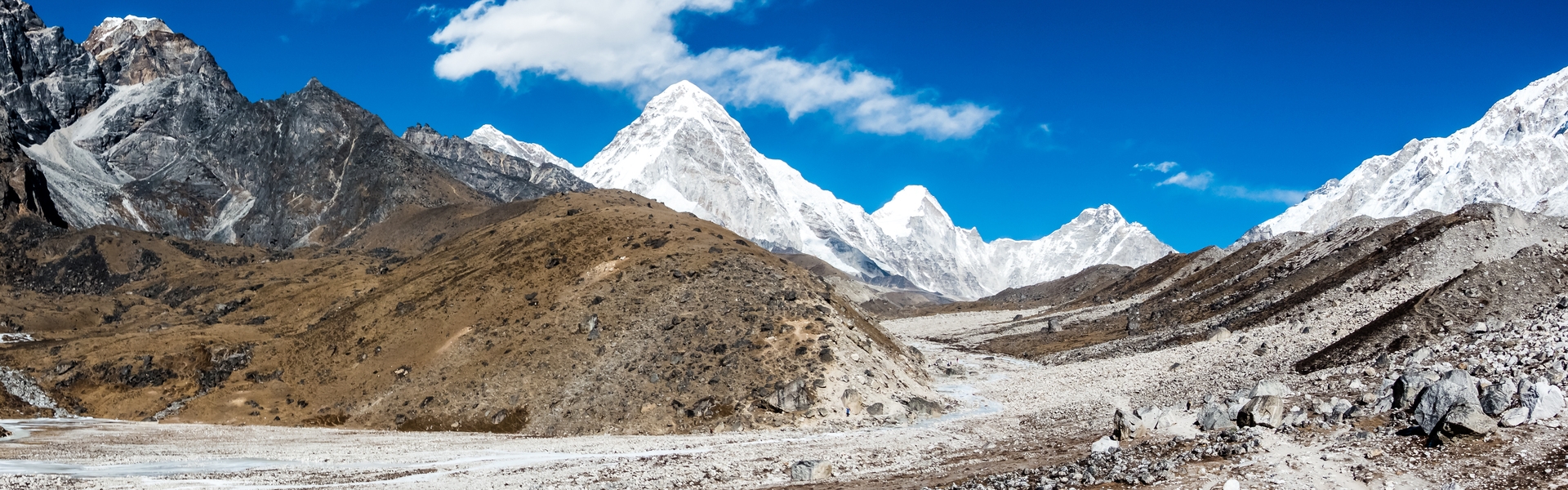
Trekking in Nepal is unique because the Himalayas rise dramatically from relatively low elevations. In just a few days, you can move from subtropical valleys to alpine terrain and glacial landscapes. This rapid gain in altitude makes Nepal one of the world’s most spectacular—but also most demanding—high-altitude trekking destinations.
Classic Himalayan routes like the Everest Base Camp Trek and the Gokyo Valley Trek clearly fall into the high-altitude category. Both treks exceed 5,000 meters and require well-planned acclimatization days, experienced guides, and altitude-aware itineraries.
Understanding what high altitude really means helps trekkers prepare mentally and physically. When you know how altitude affects your body, you can trek smarter, safer, and enjoy the Himalayas to their fullest.
Common High-Altitude Risks Trekkers Should Know
High-altitude trekking is safe and rewarding when risks are understood and managed properly. Most safety concerns in the Himalayas are related to altitude and physical strain—not technical difficulty. Knowing what to expect helps trekkers stay calm, prepared, and confident on routes like the Everest Base Camp Trek or Annapurna Circuit Trek.
Acute Mountain Sickness (AMS)
Acute Mountain Sickness (AMS) is the most common high-altitude issue and can affect anyone, regardless of age or fitness. It typically begins above 3,000 meters when the body struggles to adapt to lower oxygen levels. Common symptoms include headache, nausea, dizziness, loss of appetite, and disturbed sleep.
AMS is usually mild and manageable if recognized early. The golden rules are simple: ascend slowly, follow acclimatization days, stay hydrated, and never ignore symptoms. If symptoms worsen, the best treatment is to stop ascending or descend. Treks like the Everest Base Camp Trek are designed with acclimatization days precisely to reduce AMS risk.
HAPE & HACE (Serious Conditions)
HAPE (High-Altitude Pulmonary Edema) and HACE (High-Altitude Cerebral Edema) are rare but life-threatening conditions. HAPE involves fluid buildup in the lungs, causing shortness of breath, chest tightness, and coughing. HACE affects the brain and may lead to confusion, loss of coordination, or altered behavior.
These conditions often develop when AMS is ignored. Immediate descent and medical attention are critical. This is why experienced guides, altitude monitoring, and emergency protocols are essential on high routes such as the Annapurna Circuit Trek, where elevations exceed 5,000 meters.
Dehydration & Fatigue
Cold, dry air and physical exertion increase fluid loss at altitude. Dehydration can worsen AMS symptoms and cause extreme fatigue. Many trekkers underestimate how much water their body needs in the mountains.
Drinking regularly, eating well, resting adequately, and maintaining a steady pace are key to staying strong and safe throughout your trek.
Understanding these risks doesn’t make trekking scary—it makes it safer. With proper planning, awareness, and support, high-altitude trekking in Nepal is an achievable and unforgettable adventure.
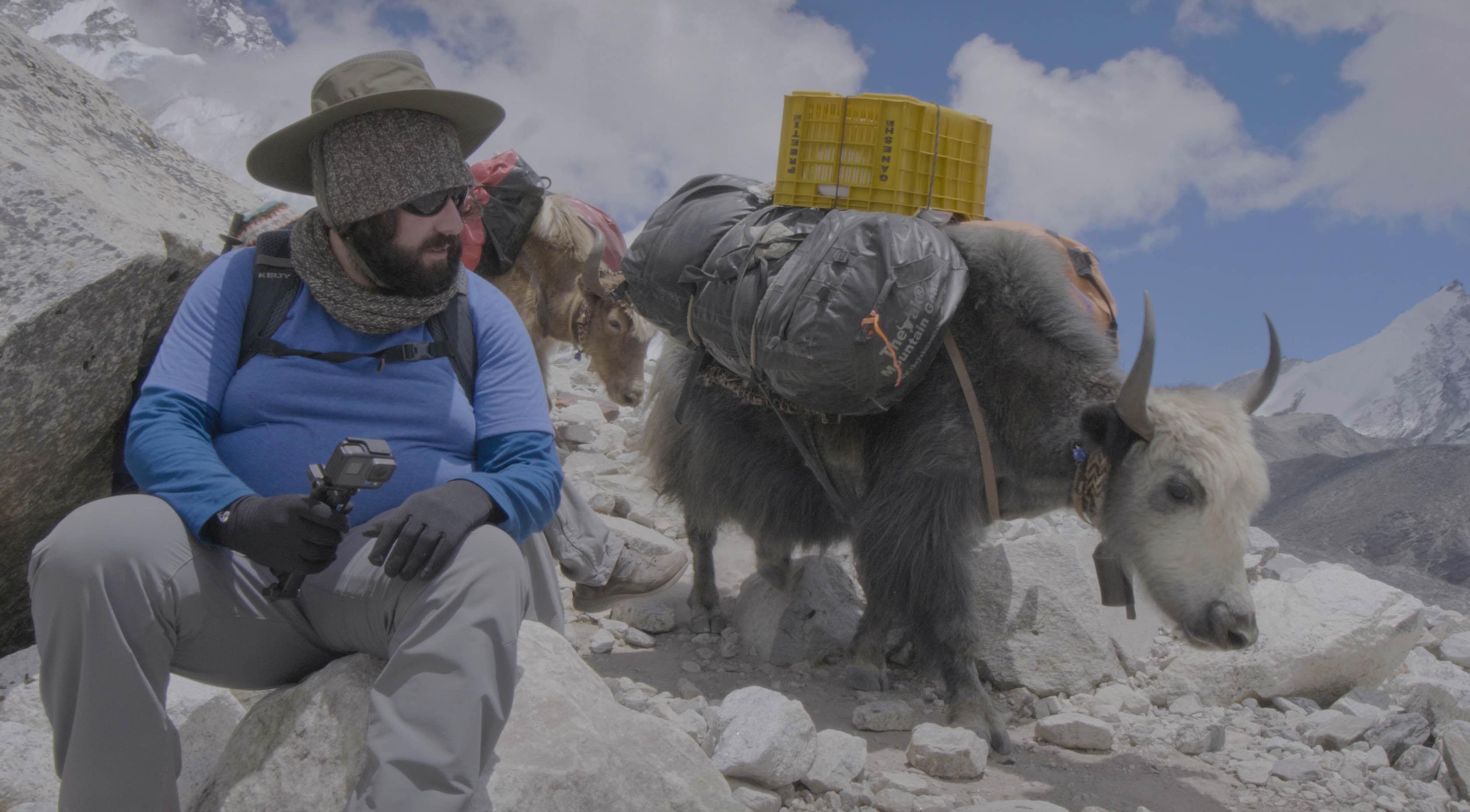
Physical Fitness Preparation for High-Altitude Treks
One of the most common questions trekkers ask is, “Am I fit enough for high-altitude trekking?” The good news is you don’t need to be an athlete—but you do need focused preparation. High-altitude trekking is less about speed and more about stamina, consistency, and mental resilience, especially on routes like the Island Peak climb and Mera Peak Climb.
Cardio Endurance Training
The foundation of trekking fitness is strong cardiovascular endurance. At altitude, reduced oxygen availability lowers your performance and challenges your VO₂ max (your body’s ability to use oxygen efficiently). To prepare, aim for 3–5 cardio sessions per week for at least 6–8 weeks before your trek.
Best activities include brisk walking, hiking with a backpack, stair climbing, cycling, swimming, or jogging. Long, steady workouts are more beneficial than short, intense ones because trekking involves sustained effort for 5–7 hours a day. Training on hills or stairs closely mimics Himalayan terrain and greatly improves uphill endurance.
Strength & Leg Conditioning
Strong legs reduce fatigue and protect your knees during long ascents and descents. Focus on functional lower-body strength using exercises like squats, lunges, step-ups, calf raises, and glute bridges. Core strength is equally important for balance and posture while carrying a daypack.
Training with a loaded backpack (starting light and gradually increasing weight) helps your body adapt to trekking conditions. This is especially useful for classic Himalayan routes like the Everest Base Camp Trek, which includes frequent elevation changes and uneven trails.
Breathing & Mental Preparation
At high altitude, controlled breathing becomes essential. Practicing deep diaphragmatic breathing improves oxygen efficiency and helps manage exertion. Slow, rhythmic breathing also reduces anxiety and conserves energy on steep climbs.
Mental preparation is often overlooked. High-altitude trekking requires patience, discipline, and a steady mindset. Learning to walk slowly, accept discomfort, and focus on consistency is key to success.
With the right balance of cardio, strength, and mental training, high-altitude trekking is achievable for most healthy individuals. Proper preparation transforms the challenge into an empowering Himalayan experience.
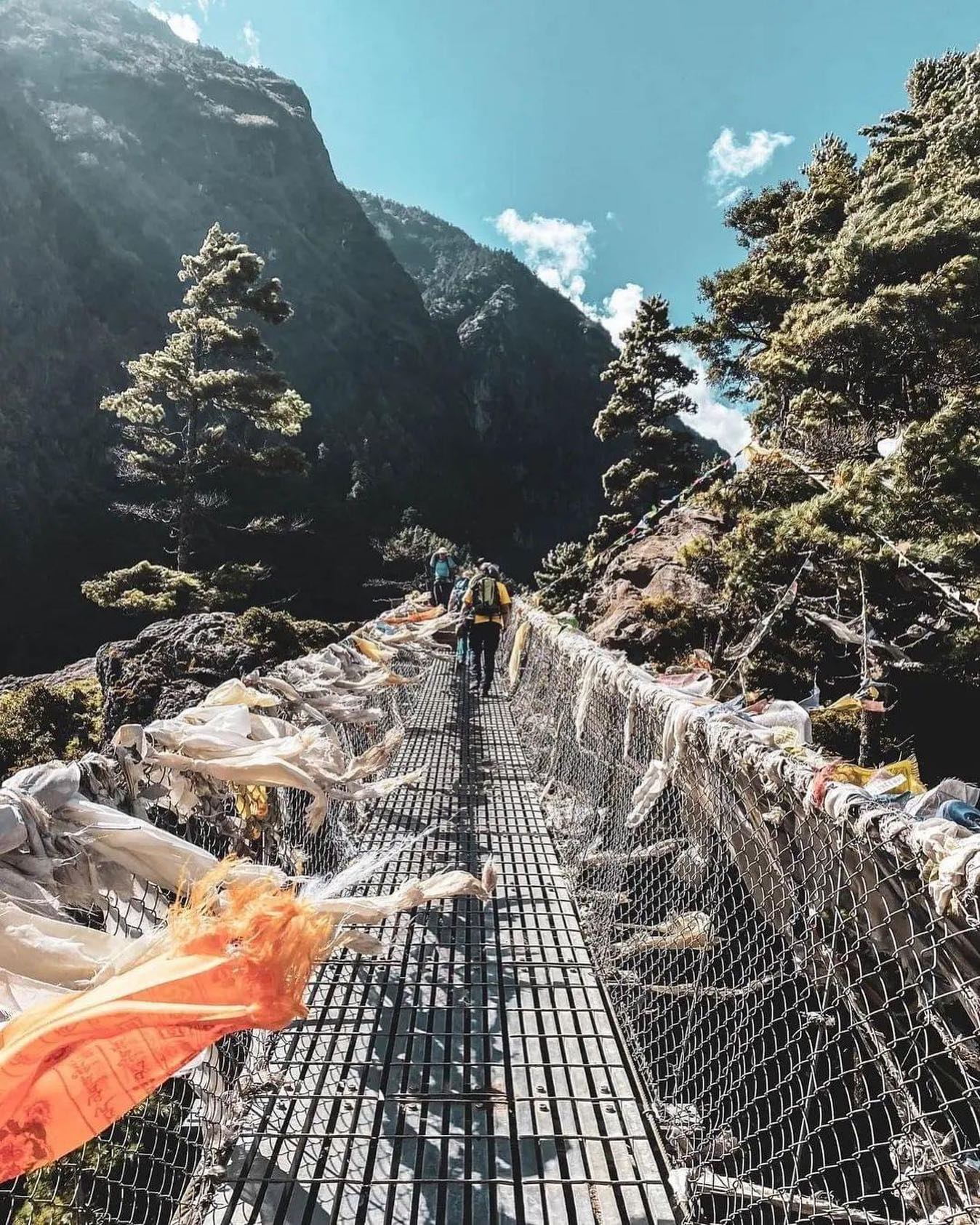
Acclimatization – The Most Important Preparation Factor
When it comes to high-altitude trekking, acclimatization is more important than fitness. Even the strongest trekkers can suffer from altitude sickness if they ascend too quickly. Proper acclimatization allows your body to adapt safely to lower oxygen levels and is the key reason well-designed itineraries matter on treks like the Everest Base Camp Trek and Three Passes Trek.
How Acclimatization Works
As altitude increases, oxygen availability decreases, forcing your body to work harder. Through acclimatization, your body gradually adjusts by increasing breathing rate, producing more red blood cells, and improving oxygen delivery to muscles and organs. This adaptation takes time—there is no shortcut.
Most trekkers begin to feel altitude effects above 3,000 meters. Without adequate acclimatization days, symptoms like headache, fatigue, and nausea can appear. With proper pacing, however, the body adapts naturally, making higher elevations safer and more comfortable.
Rest Days & Climb-High-Sleep-Low Rule
Strategic rest days are a cornerstone of safe Himalayan trekking. On the Everest Base Camp Trek, key acclimatization stops include Namche Bazaar and Dingboche. These are not “rest” days in the traditional sense but active acclimatization days.
Trekkers hike to a higher elevation during the day and return to sleep lower—a principle known as “climb high, sleep low.” This method stimulates adaptation without over-stressing the body and significantly reduces the risk of altitude sickness.
Importance of Proper Itinerary Design
A well-planned itinerary controls daily altitude gain, includes acclimatization days, and allows flexibility if symptoms appear. Rushed schedules are the most common cause of serious altitude problems.
Challenging routes like the Three Passes Trek demand extra acclimatization due to repeated ascents above 5,000 meters. This makes experienced guides and thoughtfully structured itineraries essential.
In the Himalayas, success is measured not by speed but by safe, steady progress. Proper acclimatization transforms high altitude from a risk into a rewarding part of the trekking experience.
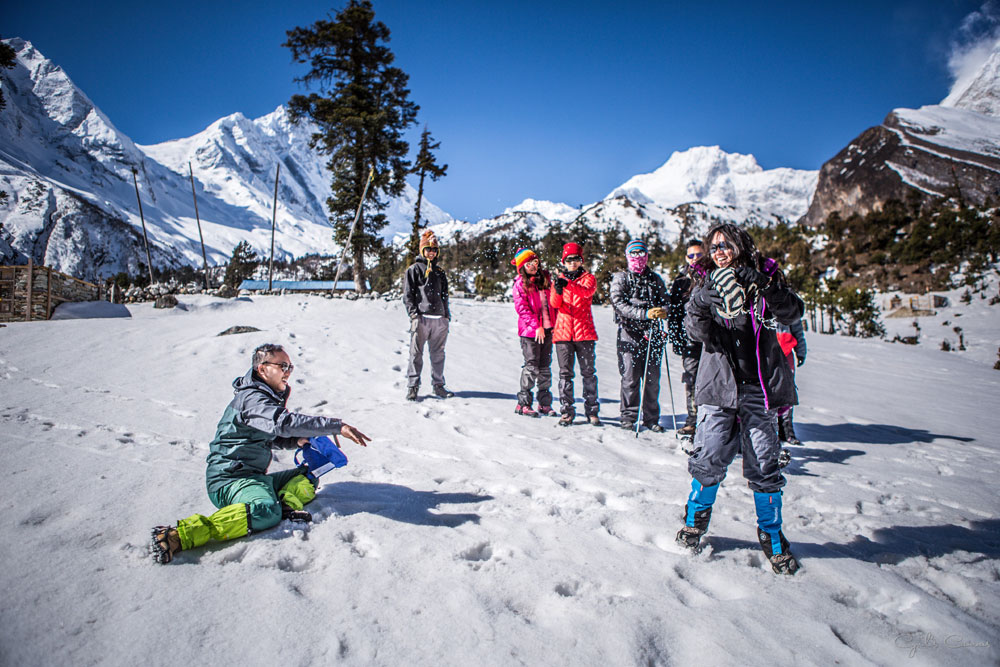
Best Treks in Nepal That Require High-Altitude Preparation
Nepal offers some of the world’s most spectacular trekking routes, many of which demand careful high-altitude preparation. Knowing the elevation, terrain, and acclimatization requirements of your chosen trek helps you prepare physically and mentally, ensuring a safe and enjoyable experience.
Everest Region High-Altitude Treks
The Everest region features some of the highest and most iconic treks in the world. The Everest Base Camp Trek is a classic choice, reaching 5,364 meters at EBC and requiring gradual acclimatization along the way. The Gokyo Valley Trek is slightly more challenging, taking trekkers to the Gokyo Lakes and Gokyo Ri for panoramic views of Everest and surrounding peaks. For seasoned trekkers seeking an extreme adventure, the Three Passes Trek connects Everest’s high passes, including Kongma La, Cho La, and Renjo La, all above 5,300 meters, demanding excellent fitness and careful altitude planning.
Annapurna & Other Regions
In the Annapurna region, the Annapurna Circuit Trek remains a favorite for high-altitude preparation, crossing the Thorong La Pass at 5,416 meters. The Manaslu Circuit Trek offers a remote and less crowded experience, with gradual ascents designed to minimize altitude risks. Meanwhile, the Upper Mustang Trek, a restricted area trek, combines cultural immersion with high-altitude exposure, requiring special permits and careful acclimatization to reach elevations around 4,000 meters. Meanwhile Annapurna Base Camp trek offers you best experience similiar to Everest Base Camp.
Whether trekking in the Everest region or Annapurna region, these high-altitude routes reward preparation with stunning Himalayan landscapes, glacial vistas, and unforgettable cultural experiences. Understanding the demands of each trek ensures you enjoy every step safely.
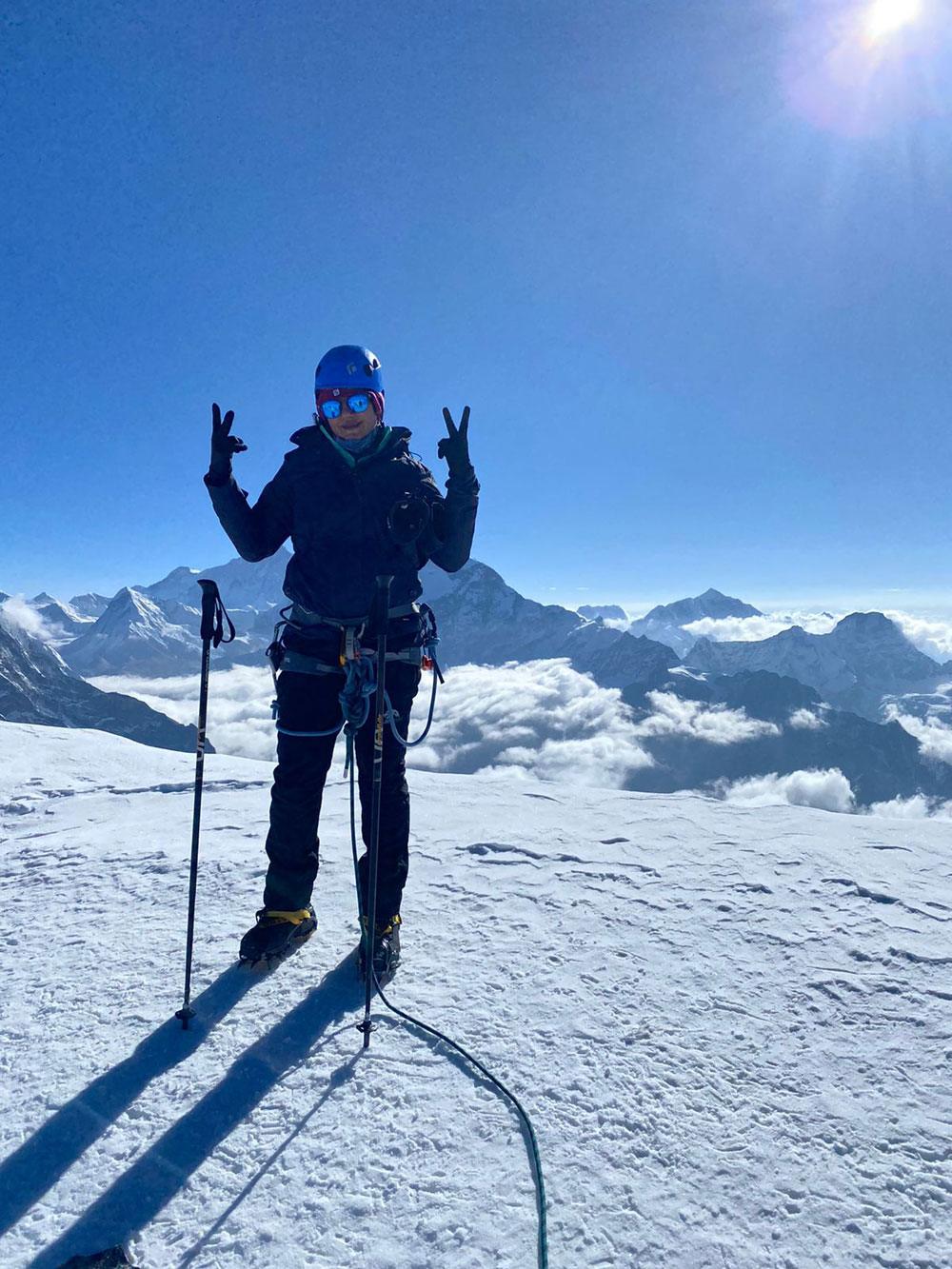
What to Pack for High-Altitude Trekking
Packing wisely is essential for comfort, safety, and success on high-altitude treks like the Everest Base Camp Trek or the Gokyo Valley Trek. At elevations above 3,000 meters, weather can change rapidly, temperatures drop drastically, and your body needs extra care to handle physical exertion. A thoughtful packing list ensures you stay warm, protected, and energized throughout your journey.
Clothing for Cold & Wind
Layering is key in the Himalayas. A reliable down jacket provides insulation during cold nights and rest stops, while base layers wick moisture and keep your body dry. Outer shells should be waterproof and windproof. For sleeping, bring a quality sleeping bag rated for -10°C to -20°C, especially if you’re trekking during winter or staying in high-altitude tea houses. Gloves, hats, and thermal socks protect extremities from frost and wind chill.
Medical & Safety Essentials
Altitude and exertion increase the need for medical preparedness. Carry a compact first-aid kit with medications for headaches, nausea, and minor injuries. Include sunscreen, lip balm, and water purification tablets. Trekkers should also consider altitude-specific medications after consulting their doctor. Having a personal safety plan and knowing emergency evacuation points is crucial in remote Himalayan regions.
Gear for Altitude Comfort
Practical gear makes long days on uneven trails easier. Trekking poles reduce knee strain and improve balance, while a comfortable backpack distributes weight efficiently. Sunglasses with UV protection, a headlamp, and insulated water bottles enhance comfort and safety. Footwear should be sturdy, broken-in hiking boots with good ankle support.
For a complete guide, refer to our Complete Nepal Trekking Packing List. With the right clothing, medical kit, and gear, you can fully enjoy the breathtaking Himalayan landscapes without compromising safety or comfort.
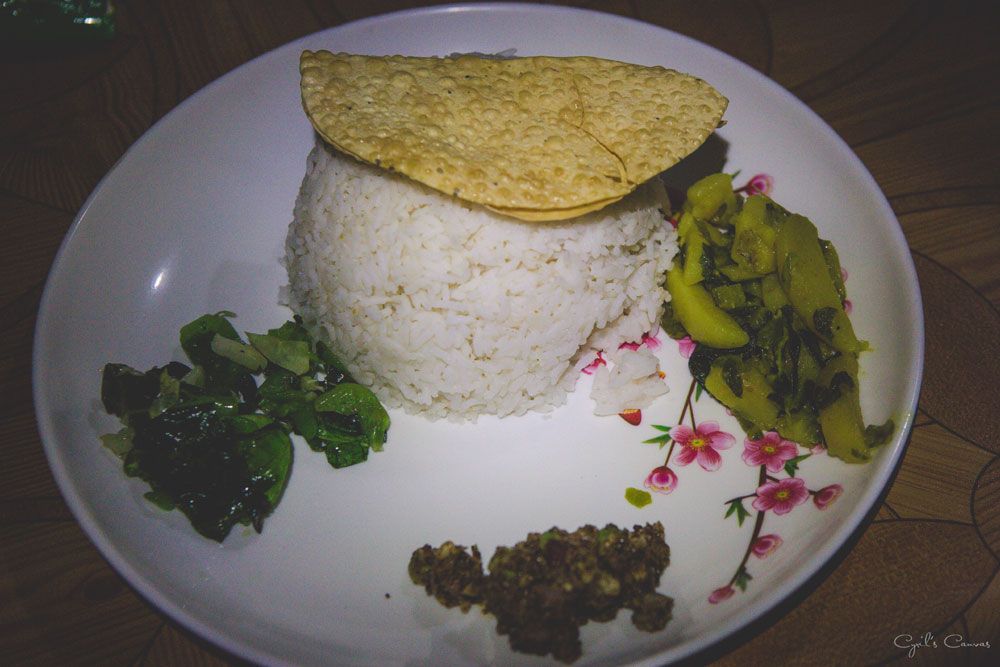
Food, Hydration & Nutrition at High Altitude
Proper nutrition and hydration are vital for staying energized and healthy on high-altitude treks like the Everest Base Camp Trek, Manaslu Circuit Trek or Langtang Valley Trek. At higher elevations, your body burns more calories, loses fluids faster, and requires extra care to prevent fatigue and altitude-related issues.
Traditional Nepali meals, such as Dal Bhat, provide a balanced combination of protein, carbohydrates, and essential nutrients to fuel long trekking days. Focus on carbohydrate-rich meals like rice, noodles, and potatoes, which are easier to digest and provide steady energy for hiking. Snacking on nuts, energy bars, and dried fruits helps maintain stamina between meals.
Hydration is equally important. The dry Himalayan air accelerates fluid loss, and dehydration can worsen symptoms of altitude sickness. Drink water regularly and supplement with electrolytes to replace salts lost through sweat. Warm beverages like herbal tea or ginger tea not only hydrate but also provide comfort in cold conditions.
On teahouse treks, understanding available food and drink options helps you plan meals efficiently. Learning about Teahouse Trekking in Nepal ensures you stay nourished and hydrated without compromising altitude safety. With mindful eating and proper fluid intake, your body will perform better, recover faster, and allow you to fully enjoy the breathtaking Himalayan scenery.
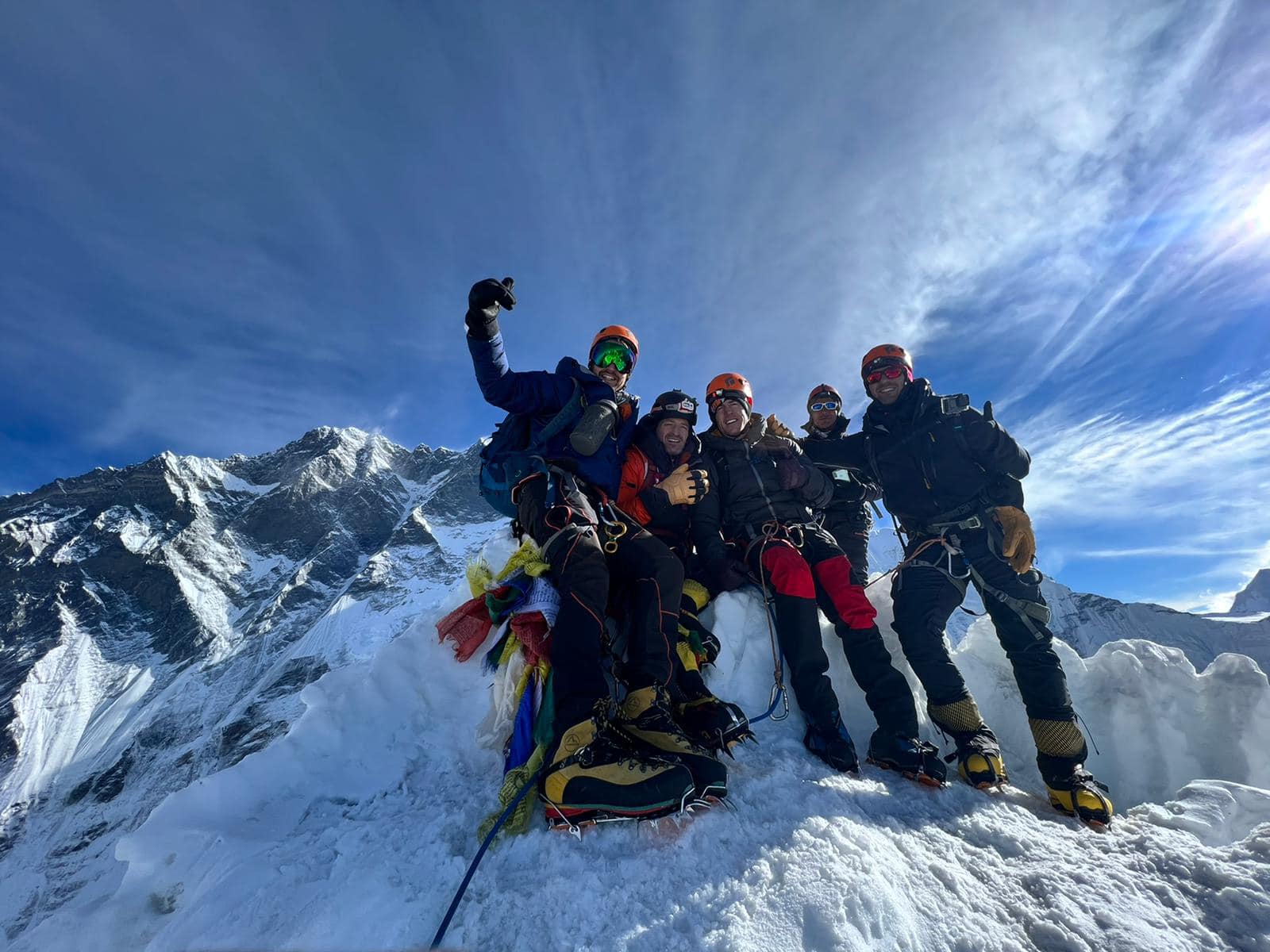
Mental Preparation & Trekking Mindset
High-altitude trekking challenges not only the body but also the mind. Developing mental resilience is as crucial as physical training, especially on demanding routes like the Three Passes Trek or Manaslu Circuit Trek. Trekking in remote environments can be isolating, exhausting, and unpredictable, making a strong mindset essential for success and safety.
Understanding trekking psychology helps you cope with fatigue, discomfort, and changing weather conditions. Accept that progress may be slow, focus on small milestones, and maintain a positive outlook. Visualization techniques, meditation, and goal-setting can reduce anxiety and improve motivation on steep ascents or long trekking days.
Patience, flexibility, and self-awareness are key traits. Recognize your limits, communicate openly with guides or trekking partners, and celebrate small achievements along the way. With the right mindset, high-altitude trekking transforms from a physical challenge into a rewarding adventure, leaving lasting memories of the Himalayas.