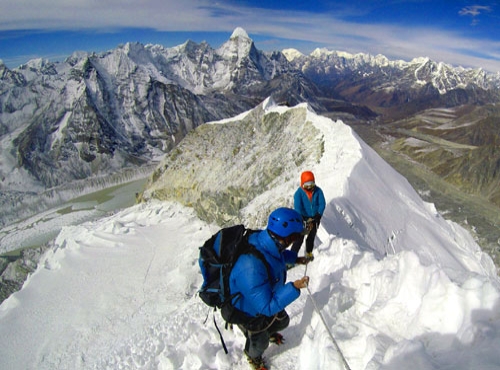
Everest Panorama Trek Difficulty
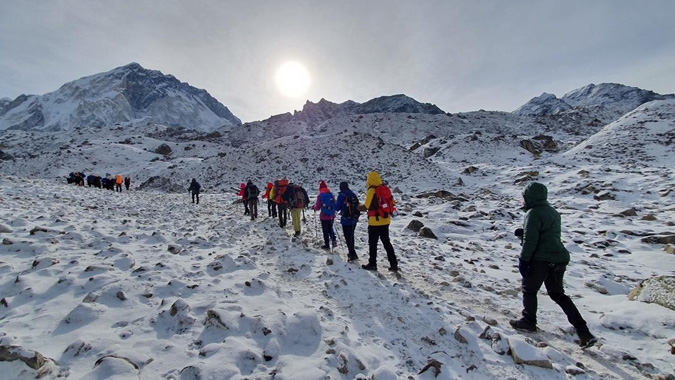
The Everest Panorama Trek is a moderate Himalayan trek. It is suitable for many first-time trekkers who have good general health, prepare consistently and accept simple mountain facilities. However, it should not be described as an effortless walk.
What makes the trek challenging?
- A steep and sustained climb from the Dudh Koshi valley to Namche Bazaar
- Several nights above 3,400 metres
- Reduced oxygen and slower recovery at altitude
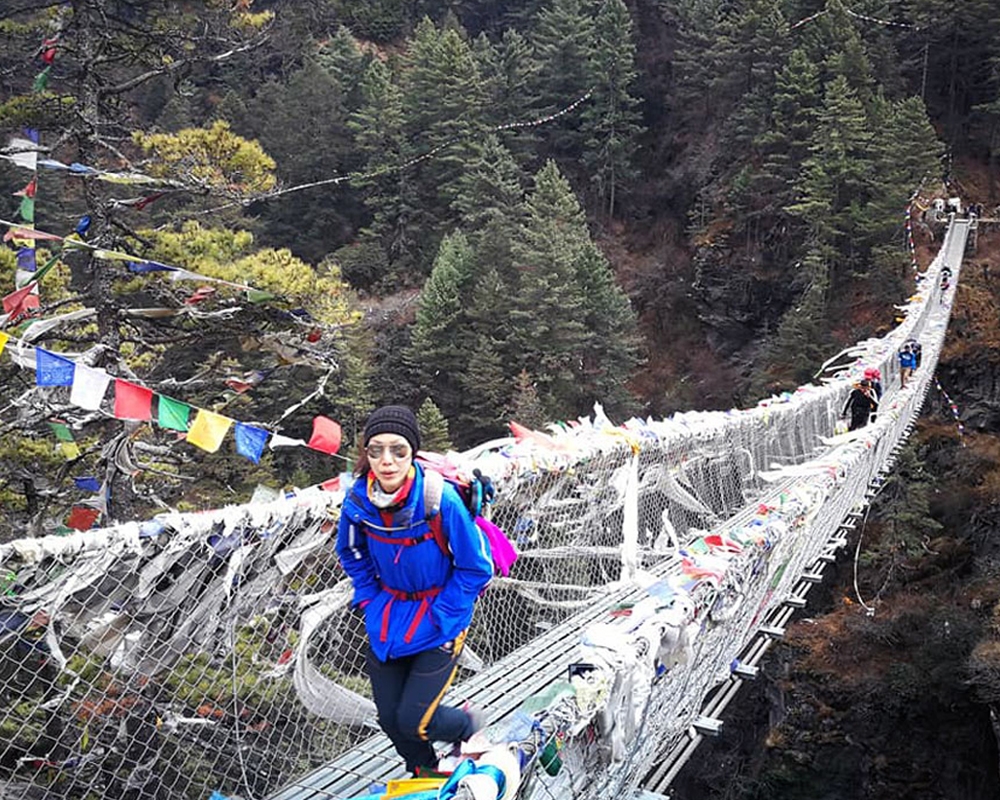
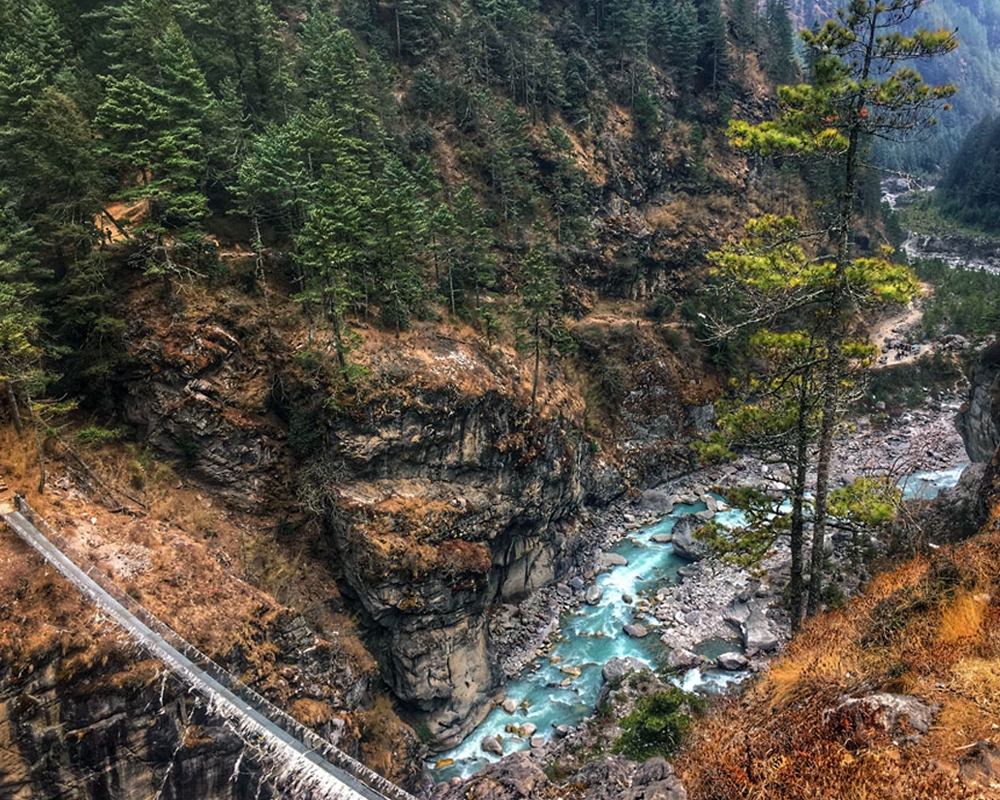
- Uneven stone trails, steps, forest paths and suspension bridges
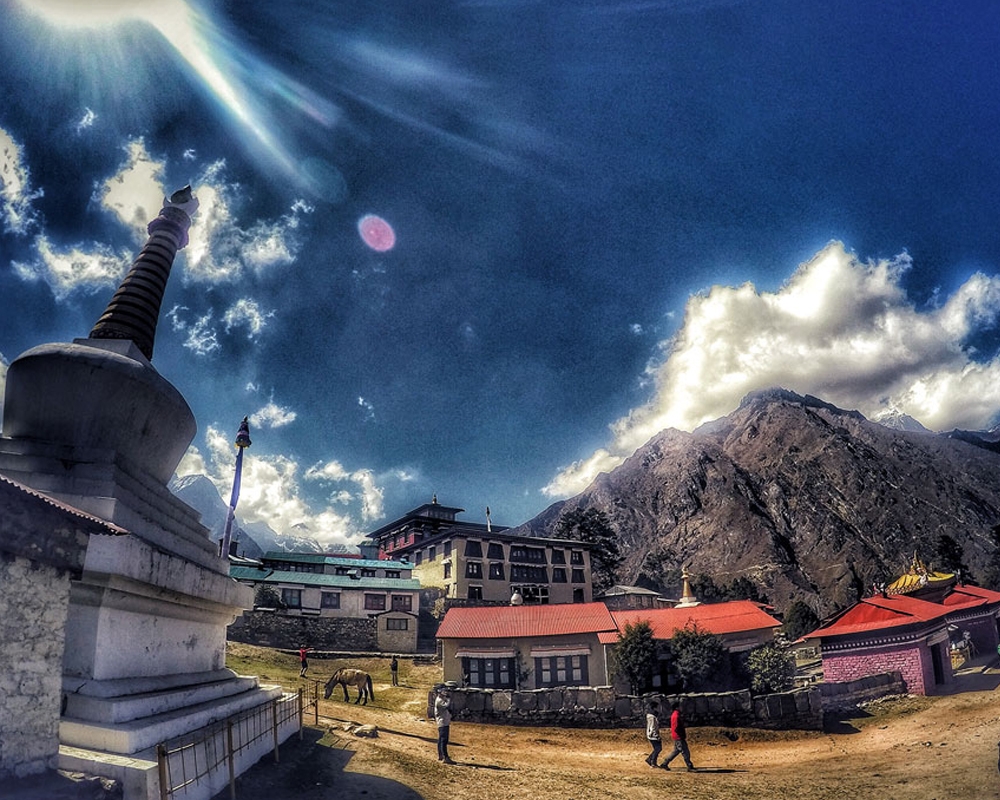
- A major descent to Phunki Tenga followed by the climb to Tengboche
- Consecutive trekking days without vehicle access
- A long final walk from Namche to Lukla
- Cold mornings, strong sun, wind, rain or snow depending on the season
- Simple lodge facilities and normally unheated bedrooms
Is the Everest Panorama Trek suitable for beginners?
Yes, a healthy beginner can often complete the trek with suitable preparation. Previous high-altitude experience is helpful but not required. A beginner should be comfortable walking for five to seven hours on hills and should complete some back-to-back training days before travelling.
Age alone does not determine suitability. An active older traveller may perform better than a younger traveller who has not trained. Health, recovery, walking experience, altitude response and willingness to maintain a slow pace are more important than speed.
Who should speak with a medical professional before booking?
Travellers with heart or lung conditions, significant anaemia, uncontrolled blood pressure, recent surgery or major illness, pregnancy, serious mobility limitations or other relevant health concerns should seek individual medical advice before booking.
Altitude and Acclimatization
The highest overnight point is Tengboche at approximately 3,860 metres. The planned walking route around Syangboche and the Everest View area may reach a similar or slightly higher elevation depending on the exact viewpoint selected by the guide.
This is lower than the standard Everest Base Camp route, but lower risk does not mean no risk. Acute mountain sickness can occur below 4,000 metres and can affect people of any age or fitness level.
Why does the itinerary include a Namche acclimatization day?
The body needs time to adjust to lower oxygen availability. On Day 5, you walk above Namche during the day and return to sleep at approximately 3,440 metres. This “climb higher, sleep lower” pattern provides a useful adjustment before moving to Khumjung and Tengboche.
Common early symptoms to report:
- Persistent headache
- Nausea or loss of appetite
- Unusual tiredness or weakness
- Dizziness or light-headedness
- Poor sleep
- Shortness of breath beyond what is normal for the effort
Tell your guide immediately. Do not hide symptoms because you want to protect the itinerary. A traveller with worsening symptoms should not continue ascending.
Confusion, inability to walk normally, severe breathlessness at rest, rapidly worsening illness or other serious neurological or breathing symptoms require urgent action and descent when possible. A pulse-oximeter reading can provide supporting information but is not a stand-alone diagnosis.
Medication such as acetazolamide should be discussed with an appropriately qualified clinician. Scenic Nepal Treks emphasizes sensible pacing, acclimatization, hydration, symptom reporting and timely descent when required.
Best Time for the Everest Panorama Trek
Spring normally brings improving temperatures, flowering rhododendron forests and established trekking conditions. March can still be cold, while April is generally warmer. Late April and May overlap with the main Everest expedition period, adding energy to the Khumbu route. Afternoon cloud may increase as the season progresses.
Autumn: Late September to November
Autumn is the most popular trekking period. October often offers stable weather and busy trails. November usually becomes colder but may provide crisp visibility and fewer trekkers later in the month. Flights and lodges can be crowded during peak weeks, so early reservations are helpful.
Winter: December to February
Winter can offer quieter trails and clear mornings. However, temperatures fall significantly at night, snow or ice may affect the trail, and some lodges reduce their services. Trekkers need suitable cold-weather equipment and greater flexibility.
Monsoon: June to Early September
The landscape is green and visitor numbers are lower, but cloud, rain, slippery trails, leeches at lower elevations and increased flight disruption are common considerations. Everest views may be limited for long periods.
No season guarantees clear skies or uninterrupted flights. Mountain conditions can change quickly throughout the year.
Accommodation on the Everest Panorama Trek
The standard package includes three nights in a comfortable tourist-standard hotel in Kathmandu on a twin-sharing basis. Breakfast is included. The hotel category, exact property and any upgrade should be stated in the final quotation.
During the trek, you stay in locally operated teahouses or mountain lodges. A normal room contains two single beds, mattresses, pillows and blankets. Rooms are clean and practical but generally simple.
Private bathrooms are not standard at every destination. Attached facilities are more commonly available in lower or larger settlements and may involve an upgrade. Bedrooms are normally unheated. Dining rooms may be warmed during busy meal periods, but heating depends on the lodge, fuel availability and local practice.
A single room can be requested for an additional charge. It may be available in Kathmandu and some trekking settlements, but it cannot always be guaranteed in the mountains during peak season.
Meals During the Trek
The standard package includes breakfast in Kathmandu and breakfast, lunch and dinner during the trekking sector.
Typical breakfast choices include porridge, eggs, toast, Tibetan bread, pancakes, potatoes, muesli and hot drinks. Lunch and dinner menus may offer dal bhat, fried rice, noodles, momos, pasta, potatoes, soups and selected local or international dishes.
Dal bhat is a reliable trekking meal consisting mainly of rice, lentil soup, vegetables and pickle. It provides carbohydrates, protein, warmth and energy for walking.
Vegetarian choices are widely available. Vegan, gluten-free and allergy-related requirements should be discussed before arrival. Remote kitchens may have limited ingredients and may not be able to guarantee complete separation from allergens.
Tea, coffee, soft drinks, alcoholic drinks, snacks and desserts may not be included beyond the stated meal plan. Alcohol is not recommended while gaining altitude because it can interfere with hydration, sleep and awareness of symptoms.
Drinking Water
Safe drinking water is available through boiled water, treated refill systems or personal purification. Travellers should carry at least two reusable bottles or a hydration system.
Untreated tap, stream or river water should not be consumed. Your guide can advise where to obtain boiled or treated water. Purification tablets or a suitable filter provide additional flexibility.
We encourage clients to avoid unnecessary single-use plastic bottles. Refillable and treated water is usually the more responsible option.
Lukla Flights and Ramechhap Operations
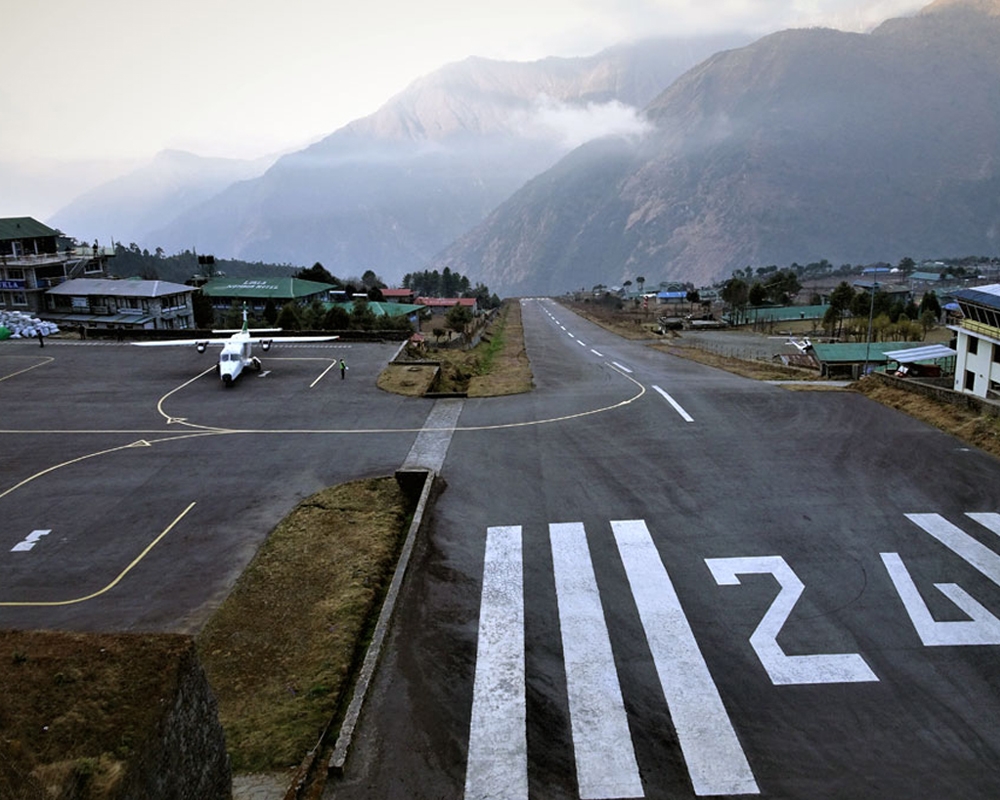
The flight to Lukla is one of the best-known parts of trekking in the Everest region. It is also highly sensitive to cloud, wind, visibility and airport traffic.
Flights may operate directly between Kathmandu and Lukla or between Ramechhap/Manthali and Lukla. The operating airport depends on current airline and aviation arrangements, particularly during busy trekking seasons.
When Manthali is used, travellers normally leave Kathmandu very early and travel several hours by road. Road time varies with traffic and conditions. Scenic Nepal Treks includes the required shared or private ground transfer when it is part of the confirmed flight plan.
The commonly used allowance is 15 kg total, normally divided into 10 kg checked baggage and 5 kg hand carry. The allowance printed on the issued ticket is final. Excess baggage involves an extra charge and may still be refused because of aircraft weight limitations.
What happens if a Lukla flight is cancelled?
The first response is normally to seek rebooking on the next practical flight. When available and operationally suitable, a helicopter transfer may be discussed. A helicopter is not guaranteed and usually requires the traveller to pay the fare difference.
Extra hotel nights, meals, ground transport, international-ticket changes or helicopter costs caused by disruption are normally the traveller’s responsibility unless the final booking agreement or insurance policy states otherwise.
Keep at least one additional buffer day before an international departure. Two days provide greater protection, especially during periods of unstable weather.
Everest Panorama Trek Permits
The route enters Sagarmatha National Park and the Khumbu Pasang Lhamu local-government area. The standard package includes the required park and local permits.
As of 24 August 2026, Nepal Tourism Board lists the Khumbu local permit fee as USD 20 per person per week for the first four weeks. Permit amounts and rules can change. Scenic Nepal Treks will apply the official requirements in effect at the time of travel.
TIMS requirements and enforcement have changed over time. Its applicability to this exact route and booking arrangement should be reconfirmed before publication and departure rather than stated permanently without review.
Nepal Tourist Visa
Many international visitors can obtain a tourist visa on arrival in Kathmandu, while some passport holders must arrange a visa in advance. Eligibility, fees, passport-validity requirements and documentation depend on nationality and current government policy. Check this out Nepal Tourist Visa
Travellers should check the official Nepal Department of Immigration website before departure. Scenic Nepal Treks can provide general arrival guidance but cannot guarantee immigration approval.
Guide and Porter Service
The standard trek is led by a licensed English-speaking trekking guide. The guide manages daily pacing, lodge arrangements, permits, route decisions, altitude awareness and communication with the Kathmandu office.
Porter service should be clearly stated in the final quotation. Our normal shared arrangement is one porter for two trekkers, carrying a combined load of approximately 25–30 kg. Each traveller should follow the personal baggage limit communicated before departure.
Clients still carry a small daypack containing water, rain protection, warm layers, sunscreen, personal medication, camera, passport or valuables and anything required during the day.
Guide and porter wages, meals, accommodation, transport, insurance and necessary work equipment are included when their service is part of the package. Tips are not included. Tipping is discretionary but customary when travellers are satisfied with the service.
Physical Preparation
Begin focused preparation six to eight weeks before departure if you are already generally active. Allow longer if you are starting from a low fitness base.
- Walk or hike three to four times per week
- Gradually increase distance and elevation gain
- Include stairs, hills or incline treadmill sessions
- Complete occasional back-to-back walking days
- Strengthen legs and core with step-ups, squats and lunges
- Train in the boots and daypack you will use in Nepal
- Practice a steady pace rather than racing uphill
- Include recovery, mobility and adequate sleep
The goal is not speed. The goal is to walk comfortably for several hours, recover overnight and repeat the effort the next day.
Everest Panorama Trek Packing List
Documents and money
- Passport and copies
- Nepal visa documents where required
- Travel-insurance certificate and emergency number
- International and domestic flight information
- Credit/debit cards and Nepalese cash
- Passport photographs if requested before travel
Bags
- Duffel bag for the porter, supplied by Scenic Nepal Treks
- 20–30 litre daypack
- Waterproof pack cover
- Dry bags or waterproof liners
Footwear
- Broken-in waterproof trekking boots
- Comfortable camp shoes or sandals
- Trekking socks and liners
Clothing
- Moisture-wicking base layers
- Trekking shirts and trousers
- Warm fleece or insulated mid-layer
- Down jacket suitable for the season
- Waterproof and windproof shell jacket
- Waterproof trousers
- Warm hat and sun hat
- Inner and outer gloves
Sun and trail protection
- UV-protective sunglasses
- High-SPF sunscreen
- Lip balm with sun protection
- Trekking poles
- Headlamp with spare batteries
Water and health
- Two reusable water bottles or hydration system
- Water purification tablets or suitable filter
- Personal prescription medication
- Small personal first-aid and blister kit
- Hand sanitizer, toilet paper and toiletries
Electronics
- Phone or camera
- Power bank
- Charging cables
- Nepal-compatible travel adapter
Sleeping
- Suitable sleeping bag; confirm whether Scenic Nepal Treks is supplying one
- Optional sleeping-bag liner
Final packing advice depends on the month, forecast and current trail conditions. Pack lightly because domestic aircraft and porter loads are limited.
Travel Insurance Requirements
Comprehensive travel insurance is mandatory. Your policy should include:
- Trekking coverage above the maximum altitude of the itinerary
- Emergency medical treatment
- Medically necessary helicopter evacuation
- Trip cancellation and interruption
- Domestic-flight delay or cancellation
- Lost, delayed or damaged baggage
- International-flight changes where available
- Coverage for all planned activities
Read exclusions carefully. Confirm whether the insurer or assistance company pays rescue providers directly or requires you to pay first and request reimbursement. Carry the policy number and 24-hour emergency contact details during the trek.
Responsible Trekking
Scenic Nepal Treks encourages visitors to protect the environment and respect local communities.
- Carry reusable water bottles and reduce plastic waste
- Do not leave toilet paper, wipes or hygiene products on the trail
- Use lodge toilets and designated waste systems
- Do not disturb wildlife or remove plants, stones or cultural objects
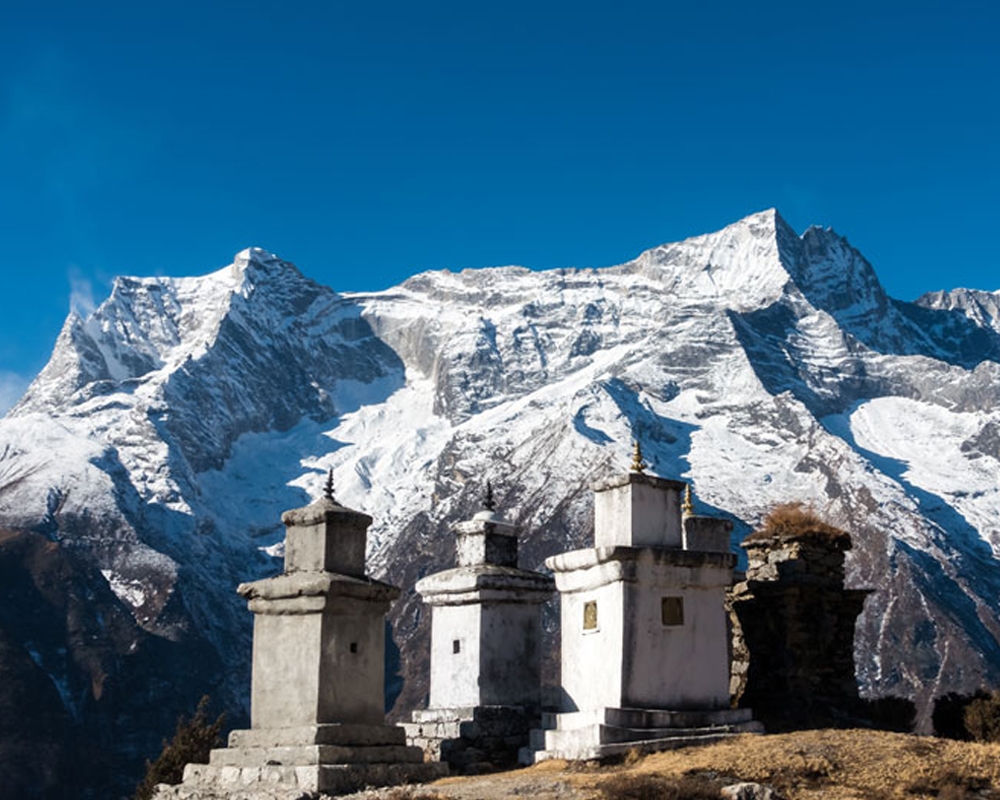
- Walk respectfully around mani walls, chortens and religious structures
- Ask before photographing people
- Follow monastery clothing, silence and photography rules
- Respect porter load limits and treat mountain staff fairly
- Understand that water, fuel and electricity are limited mountain resources