1. The Reality of Trekking in Nepal
Trekking in Nepal is not the same as hiking in developed or easily accessible areas. The environment itself presents challenges that can quickly escalate into serious situations.
Weather in the mountains can change rapidly. A clear morning may turn into a snowstorm within hours. Trails that are safe in one moment can become dangerous in the next. Visibility can drop, temperatures can fall sharply, and navigation can become difficult.
At the same time, logistics in remote regions are not always reliable. Flights to mountain airports like Lukla are frequently delayed or cancelled due to weather conditions. Sometimes travelers must wait for days before they can continue their journey.
Altitude is another major factor. As you ascend, oxygen levels decrease. This can lead to altitude sickness, which may start with mild symptoms like headaches but can quickly become life-threatening if not handled properly.
Communication is also limited in many trekking regions. Mobile networks may not work consistently, and internet access is often unavailable. In some areas, you may be completely disconnected from outside support.
Accommodation can also become a challenge. During peak trekking seasons, tea houses and lodges fill up quickly. Without proper planning, trekkers may struggle to find a place to stay after a long day of walking.
All of these conditions are part of trekking in Nepal.
- The real question is not whether these situations will happen.
- The real question is how they will be handled when they do.
2. The Role of a Guide: Important but Limited
A trekking guide plays an essential role in your journey. They provide direction, local knowledge, cultural insight, and daily support. A good guide can significantly improve your experience.
In many cases, guides become more than just professionals. They become companions. They walk with you, eat with you, and share the journey in a personal way.
However, it is important to understand their limitations clearly.
A freelance guide typically works independently. This means they do not have a structured team behind them. They may not have access to advanced communication systems, emergency networks, or logistical support beyond their immediate experience.
When everything goes smoothly, a guide is enough.
But when something goes wrong, limitations become clear.
A guide cannot:
- Fully coordinate large-scale emergency operations
- Guarantee immediate helicopter evacuation
- Manage complex insurance and rescue procedures alone
- Provide backup if they become unavailable
- Control external factors like weather or flight schedules
Most importantly:
👉 A guide cannot be fully responsible for your safety in every possible situation.
This is not a criticism. It is a reality of working alone in a complex and unpredictable environment.
2. Why a Registered / Reliable Trekking Company Matters
A registered trekking company is not just a service provider. It is a system designed to manage risk, provide structure, and ensure safety throughout your journey.
The difference between a guide and a company is not about personality or kindness.
It is about capability.
3. The Reality of Recent Incidents in Nepal’s Trekking Regions
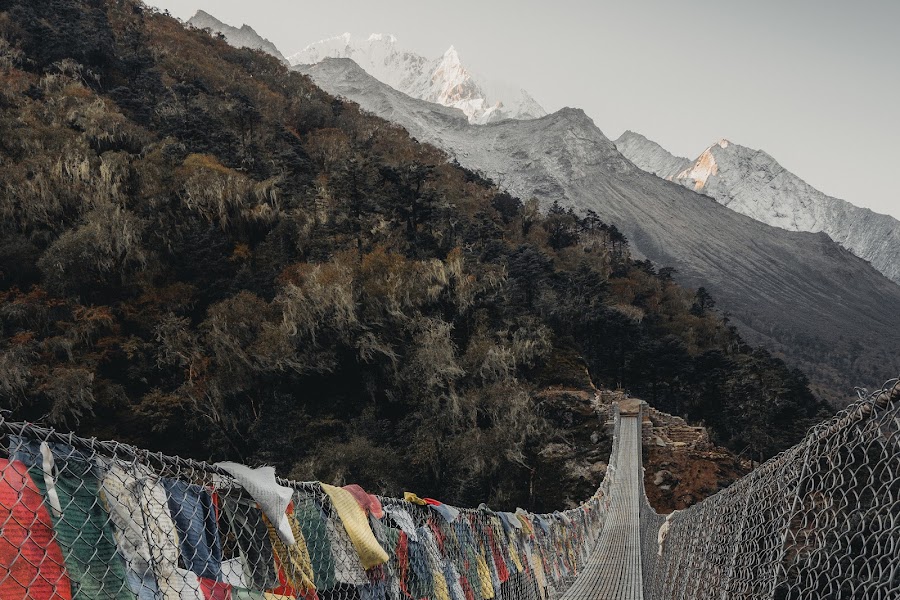
In recent years, there has been a growing concern in Nepal’s trekking regions—especially in areas like Everest, Manaslu, and Annapurna—where some trekkers have faced serious health issues, accidents, and in unfortunate cases, even lost their lives.
Many of these incidents are linked to:
- Lack of proper guidance and consultation
- Insufficient experience in handling high-altitude conditions
- Poor emergency response and decision-making
- Trekking without a structured support system
High-altitude trekking is not just a physical journey—it is a serious environment where safety decisions must be made quickly and correctly.
In many cases, delays in:
- recognising altitude sickness symptoms
- arranging emergency evacuation
- or responding to sudden weather changes
have led to critical and life-threatening situations.
4. Emergency Response: When Time Matters Most
In high-altitude environments, emergencies must be handled quickly and efficiently.
Situations such as altitude sickness, injuries, or sudden health issues require immediate attention.
A registered and reputable trekking company can:
- Arrange a helicopter evacuation without delay
- Coordinate directly with rescue teams
- Communicate with hospitals and medical professionals
- Manage insurance requirements and approvals
- Take organised action during critical moments
- In these situations, every minute matters.
- A delay in response can significantly affect the outcome.
A guide may do their best to help, but without a structured system, response time can be limited.
👉 In the mountains, speed and coordination can save lives.
5. Managing Flights and Transportation Challenges
Transportation in Nepal, especially in mountain regions, is not always reliable.
Flights to destinations like Lukla are highly dependent on weather conditions. Delays and cancellations are common.
A trekking company can:
- Rebook flights efficiently
- Arrange alternative transportation when possible
- Adjust itineraries without confusion
- Ensure accommodation is arranged during delays
- A guide alone may have to wait for availability or rely on uncertain solutions.
- Reputable and reliable trekking companies have strong ground connections, including priority access to accommodations and better coordination with flights.
A company, however, works with established systems and connections to resolve issues faster.
6. Accommodation Planning in Remote Areas
Accommodation is another critical factor in trekking.
During peak seasons, trekking routes become crowded. Tea houses and lodges often reach full capacity.
Without proper planning, trekkers may face challenges such as:
- No available rooms after long trekking days
- Having to sleep in shared or uncomfortable spaces
- Walking additional distances in search of accommodation
A trekking company helps avoid these situations by:
- Pre-booking accommodations
- Coordinating with local lodge owners
- Ensuring a consistent place to rest each night
This is not just about comfort. It directly affects your energy, health, and safety during the trek.
7. Monitoring and Safety Tracking
One of the most overlooked aspects of trekking safety is monitoring.
In remote regions, if something goes wrong, the response depends on whether someone knows your situation.
A registered company:
- Tracks your route and daily progress
- Knows your location and planned itinerary
- Can respond quickly if you are delayed or missing
- Maintains communication where possible
Without a company, there is often no external system tracking your safety.
👉 If something happens, response may be delayed simply because no one knows.
8. Backup Support and Continuity
Unexpected situations can affect even the best-planned treks.
If a guide becomes unavailable due to illness or personal emergency, the trek can be disrupted.
A trekking company ensures continuity by:
- Providing replacement guides when needed
- Maintaining consistent support throughout the journey
- Ensuring the trek continues safely and smoothly
Without this backup, trekkers may be left to manage situations on their own.
Legal Responsibility and Accountability
Registered trekking companies operate under government regulations.
This means they are:
- Licensed
- Monitored
- Legally accountable for their services
This creates a structure of responsibility.
If issues arise, there is a system in place to address them.
Freelance guides may not always operate under the same level of oversight, which can limit accountability.
9. Insurance and Documentation Support
In the event of emergencies, insurance and documentation become critical.
A trekking company assists by:
- Handling communication with insurance providers
- Preparing necessary documents
- Coordinating claims and approvals
- Supporting the administrative side of emergencies
This support can reduce stress and ensure processes are completed correctly.
10. The Reality of Unforeseen Situations
The Himalayas are unpredictable.
Even with careful planning, unexpected events can occur:
- Sudden illness or injury
- Landslides blocking trails
- Severe weather conditions
- Loss of communication
- Delays in transportation
These situations cannot always be prevented.
What matters is how they are managed.
A guide may try their best to handle such situations.
But a trekking company has:
- Systems
- Resources
- Teams
- Experience in handling emergencies
👉 This difference is critical when things go wrong.
Final Thought
Trekking in Nepal is an incredible experience.
But it is also an environment where preparation and support are not optional—they are essential.
Choosing a registered trekking company means choosing:
- Structured safety over uncertainty
- Organised support over isolation
- Responsibility over risk
And most importantly:
👉 It means choosing to protect your life, not just your journey.
Because in the Himalayas, the right decision is not about saving money.
It is about making sure you return safely.